

Design Tips Kitchen Remodeling
Quartz vs. Quartzite for Kitchen Counters: Which Fits Your Cary Remodel?
You've narrowed your kitchen countertops in Cary down to two finalists: quartz and quartzite. The names sound nearly identical, but the materials couldn't be more different. One is engineered for low maintenance and uniform color. The other is natural stone with dramatic veining and serious heat resistance.
Quartz is an engineered surface made from ground stone and resin, offering consistent patterns and nearly zero upkeep. Quartzite is a natural metamorphic rock formed under intense heat and pressure, delivering unique veining and exceptional durability. Your choice impacts how you cook, how you clean, and how your kitchen looks ten years from now. We've guided hundreds of Triangle homeowners through this exact decision at our Durham selections studio since 2012, and the right answer always comes down to how you actually use your kitchen.
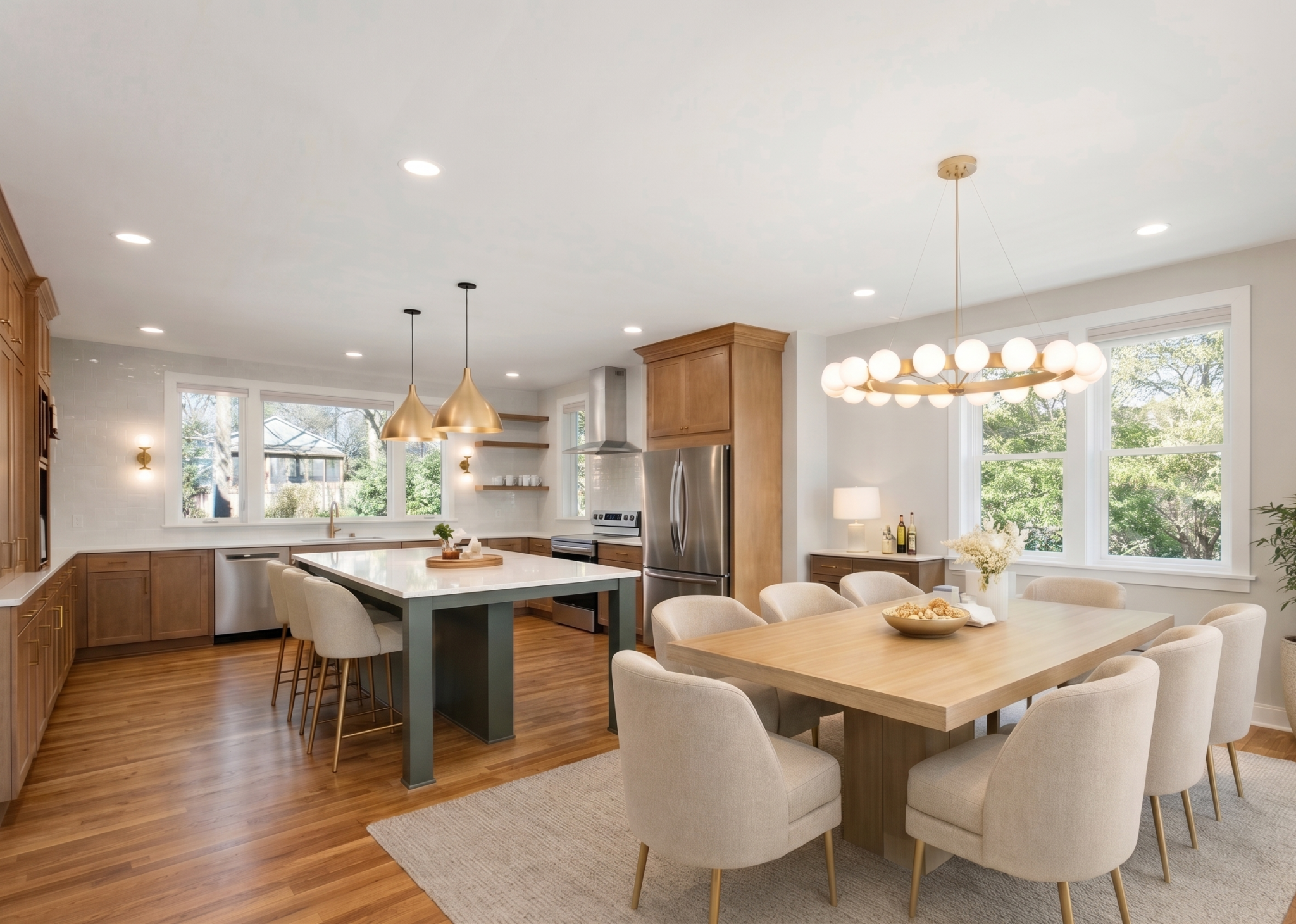
(https://cocreationshomes.com/kitchen-remodel-mistakes-cary-homeowners/) comparison samples]
What Is Quartz (and What It's Not)
Quartz countertops are engineered surfaces, not slabs cut from the earth. Manufacturers combine roughly 90-95% ground natural quartz with polymer resins and pigments, then compress the mixture into slabs. The result is a non-porous surface with uniform color and pattern.
Why Homeowners Choose Quartz
You get consistency. Every slab looks nearly identical to the sample you approved. If you're designing a kitchen with clean lines, minimal variation, and predictable color, quartz delivers exactly what you see in the showroom.
You skip the sealing. The resin binder makes quartz non-porous, so liquids won't penetrate. Spilled wine, lemon juice, or coffee sit on the surface until you wipe them away. No annual sealer. No special cleaners.
Where Quartz Falls Short
Heat is the weak point. Quartz can discolor or crack if you set a hot pan directly from the stove or oven onto the surface. The resin softens at high temperatures. You'll need trivets and hot pads as a permanent habit.
It looks engineered. Even the best quartz mimics natural stone but doesn't replicate it. If you love the organic variation of marble or granite, quartz will feel too controlled.
What Is Quartzite (and Why It's Not Quartz)
Quartzite starts as sandstone. Over millions of years, heat and pressure fuse the sand grains into a dense, hard metamorphic rock. It's mined, cut into slabs, and polished. What you install is 100% natural stone.
Why Homeowners Choose Quartzite
You get one-of-a-kind veining. No two quartzite slabs match. The stone records geologic history in sweeping gray, gold, or even pink veins. If you want a kitchen that feels unique, quartzite delivers drama quartz can't match.
You can set down hot pans. Quartzite formed under extreme heat, so it won't scorch or discolor when you pull a skillet off the burner. For serious home cooks in Cary who don't want to hunt for a trivet mid-recipe, that heat resistance matters.
It's harder than granite. Quartzite scores a 7 on the Mohs hardness scale (granite sits around 6-6.5). You'd need a diamond blade to scratch it. Knives, dropped jars, and daily wear won't leave marks.
Where Quartzite Falls Short
It's porous. Quartzite requires sealing at installation and resealing once or twice a year depending on use. Skip it, and liquids can penetrate and stain. The maintenance isn't hard, but it's non-negotiable.
Variation can surprise you. The slab in the warehouse might look different from your 4-inch sample. You need to visit the yard, pick your exact slab, and approve the veining before fabrication. That adds a step to your kitchen remodeling timeline.
It costs more. Quartzite typically runs higher per square foot than mid-tier quartz because it's natural stone, harder to fabricate, and requires skilled cutting.
Quartz vs. Quartzite: Head-to-Head Comparison

Here's how the two materials compare across the factors that matter most during a kitchen remodel in Cary.
Durability and Scratch Resistance
- Quartz: Very hard and scratch-resistant under normal use. Knives and everyday kitchen tools won't damage it. Resin content makes it slightly softer than natural stone.
- Quartzite: Harder than granite. Extremely scratch-resistant. You'd need deliberate effort with a diamond tool to leave a mark.
Heat Resistance
- Quartz: Vulnerable to heat. Resin can discolor or crack above 300°F. Always use trivets.
- Quartzite: Formed under extreme heat. You can set hot cookware directly on the surface without damage.
Stain Resistance
- Quartz: Non-porous. Resists stains without sealing. Wipe spills and move on.
- Quartzite: Porous. Requires sealing at install and resealing 1-2 times per year. Unsealed quartzite can absorb oils, wine, and acidic liquids.
Maintenance Requirements
- Quartz: Wipe with mild soap and water. No sealing, no special products.
- Quartzite: Wipe with pH-neutral cleaner. Reseal annually. Avoid acidic or abrasive cleaners that degrade the sealer.
Aesthetic and Design Flexibility
- Quartz: Uniform color and pattern. Wide range of colors, including pure white, charcoal, and even bold blues or greens. Ideal for modern, minimalist, or contemporary kitchens.
- Quartzite: Natural veining with organic variation. Typically found in whites, grays, and earth tones with dramatic movement. Best for transitional, farmhouse, or kitchens where the counter is a visual focal point.
Cost Considerations
- Quartz: Mid-range to upper-mid pricing depending on brand and pattern. Fabrication is straightforward.
- Quartzite: Generally higher cost due to material sourcing, slab selection, and fabrication difficulty. Premium slabs with striking veining command top-tier pricing.
We walk Cary homeowners through samples of both at our selections studio so you can see the difference in person, not just in photos. According to the natural stone care guidelines, proper sealing and maintenance extend the life of porous stone surfaces significantly, which is why we include care instructions with every quartzite install.
Which Material Fits Your Cooking Habits?
Your decision should match how you actually use your kitchen, not just how it photographs.
You Cook Daily and Use High Heat
If you sear, sauté, bake, or grill indoors frequently, quartzite's heat resistance will save you stress. You can rest a cast-iron skillet or sheet pan on the counter while plating without hunting for a trivet. For homeowners who prep multiple dishes at once, that freedom matters.
Quartz works if you're disciplined about trivets, but one forgotten pan can leave a permanent mark.
You Prioritize Low Maintenance
If you'd rather skip annual sealing and just wipe your counters clean, quartz is the better fit. It performs beautifully under normal use without special care.
Quartzite requires attention. You'll reseal once or twice a year depending on how much you cook and how often liquids sit on the surface. It's not hard, but it's a recurring task you can't skip.
You Want a Specific Look
Quartz gives you control. You pick a sample, approve the color, and the installed slabs match exactly. If you're coordinating counters with tile, cabinetry, or paint in a tight palette, that predictability reduces risk.
Quartzite gives you uniqueness. The veining is natural and unrepeatable. If you want a kitchen that feels custom and organic, quartzite delivers the kind of movement and depth quartz can't replicate. Just plan to visit the slab yard and approve your exact pieces before fabrication.
You're Worried About Budget Surprises
One of the most common objections we hear from Cary homeowners is fear of going over budget during a kitchen remodel. Material choices are one area where clarity helps. Quartz pricing is generally more predictable because slabs are manufactured to consistent specs. Quartzite can vary widely based on rarity, veining, and slab size.
We lock in material costs after you approve selections, so you'll know the exact number before construction starts. That upfront planning eliminates surprises and keeps you on track.
How to Decide: A Practical Framework
Use this checklist to guide your choice between quartz and quartzite for your Cary kitchen countertops:
- How often do you cook with high heat? (Daily high-heat cooking favors quartzite.)
- Are you willing to reseal counters once or twice a year? (No = quartz. Yes = quartzite is an option.)
- Do you want uniform color or natural variation? (Uniform = quartz. Organic veining = quartzite.)
- What's your budget ceiling? (Tighter budgets often favor quartz. Flexibility opens up quartzite.)
- Do you want to approve your exact slab before fabrication? (Yes = quartzite. You don't mind skipping that step = quartz.)
We've seen Cary homeowners make both choices successfully. The right answer depends on your priorities, not a universal ranking. During your design consultation, we'll show you samples from both categories so you can compare texture, finish, and veining under your kitchen's actual lighting.
Common Misconceptions About Quartz and Quartzite
Homeowners often confuse these materials or believe outdated information. Here's what we clarify during countertop consultations.
"Quartz Is Indestructible"
Quartz is durable, but not indestructible. Heat can damage it. Certain chemicals (paint remover, oven cleaner) can dull the surface. It resists scratches and stains well, but it's not immune to everything.
"Quartzite Stains Easily"
Unsealed quartzite can stain. Properly sealed quartzite resists stains as well as granite. The key is consistent sealing and using a quality penetrating sealer designed for natural stone. Homeowners who skip sealing or use the wrong product set themselves up for problems.
"All White Counters Look the Same"
White quartz and white quartzite look very different in person. Quartz white is often bright, uniform, and slightly glossy. Quartzite white includes subtle gray veining, depth, and a softer, more organic feel. Bring your cabinet and backsplash samples to the selections studio so you can compare them side by side.
"You Can't Use Quartzite in a Busy Kitchen"
Quartzite is harder than granite. It handles heavy use beautifully. The maintenance requirement is sealing, not delicate handling. Families with kids, multiple cooks, and daily meal prep use quartzite successfully across the Triangle.
Frequently Asked Questions
Is quartzite better than quartz for kitchen countertops?
Neither material is universally better. Quartzite offers superior heat resistance and natural beauty, while quartz requires less maintenance and delivers uniform color. The right choice depends on your cooking habits, design preferences, and willingness to reseal annually.
Can you put hot pans on quartz countertops?
No. Quartz contains resin that can discolor or crack when exposed to high heat. Always use trivets or hot pads to protect the surface. Quartzite, by contrast, can handle direct heat from cookware without damage.
How often does quartzite need to be sealed?
Most quartzite countertops need sealing once or twice per year depending on use and the quality of the sealer. A simple water test (if water beads, the sealer is intact; if it soaks in, it's time to reseal) tells you when it's time.
Does quartz scratch easier than quartzite?
Quartzite is harder than quartz and more scratch-resistant. Both materials resist scratches under normal kitchen use, but quartzite scores higher on the Mohs hardness scale and is less likely to show wear over decades.
We've helped Cary homeowners compare kitchen countertop materials since 2012, and the best decision always starts with seeing samples in person. Your cooking style, design goals, and long-term plans matter more than trends or generic recommendations.
Visit our Durham selections studio to compare quartz and quartzite samples under real lighting, ask questions about maintenance and durability, and see how each material pairs with your cabinetry and tile choices. You can also explore completed projects in our gallery to see both materials in finished Cary kitchens. When you're ready to move forward, our design-build team will guide you from our process initial consultation through final installation, with transparent communication and a one-year workmanship warranty on every project. Book your free 15-minute design consultation with CoCreations today and get clarity on the countertop choice that fits your remodel.

Ready to price your own project?
We design and build custom homes, additions and whole-home renovations across the Triangle. Tell us what you have in mind and we will walk you through scope, timeline and realistic numbers.

